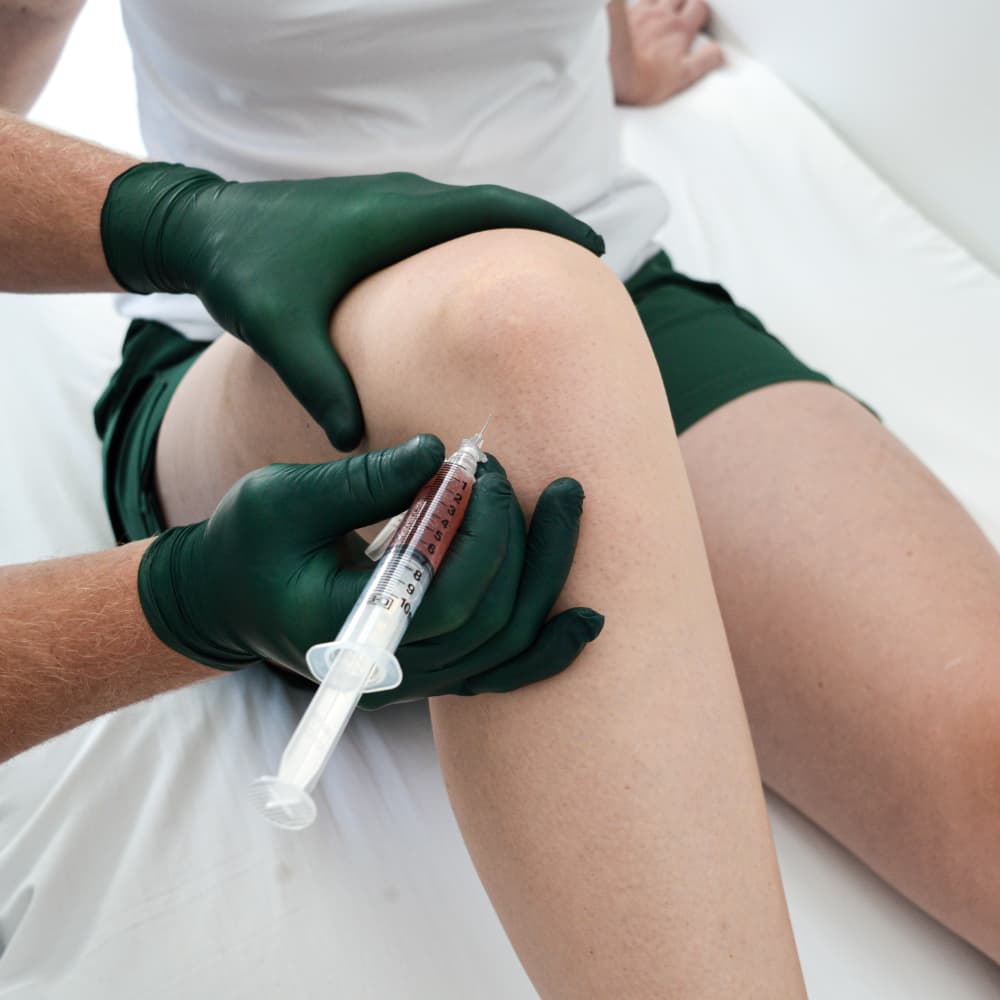
Pain Management
Comprehensive Pain Management Solutions
Struggling with pain in your knees, ankles, shoulders, back, or neck? We provide specialized treatments to alleviate your discomfort and improve your quality of life.
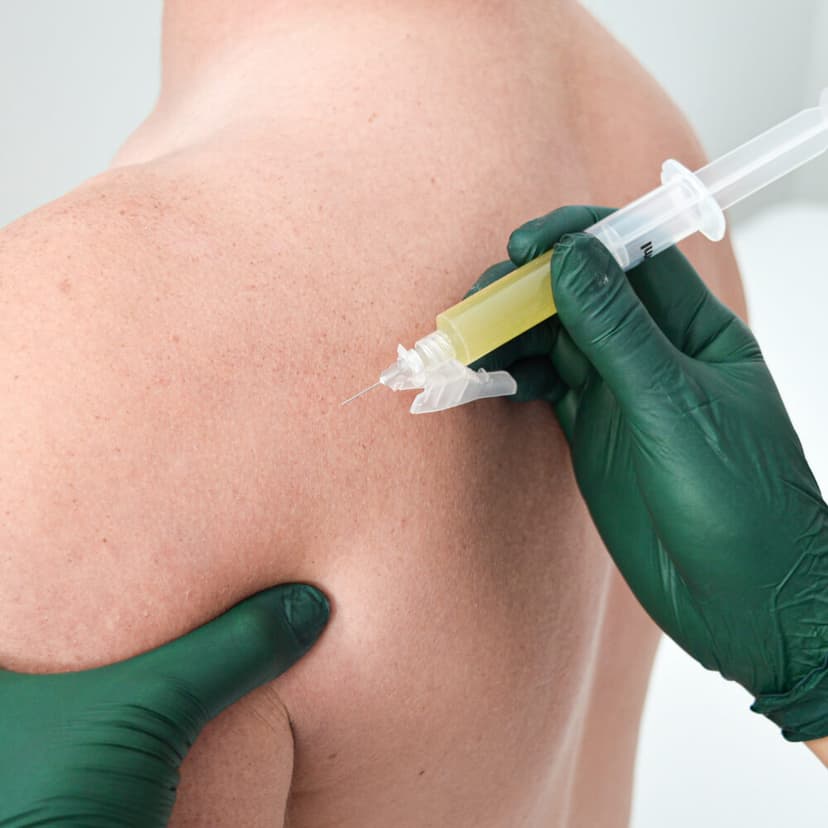
Prolotherapy
Prolotherapy, short for proliferative therapy, is a medical procedure aimed at treating chronic musculoskeletal pain. It involves injecting a solution of dextrose (a sugar) and lidocaine (an anesthetic) into damaged or weakened ligaments, tendons, or joints.
The goal is to stimulate the body's natural healing processes, bringing white blood cells, growth factors, collagen, and cytokines into the area. This allows the body to focus its healing abilities on a specific region.
Mechanism of Action
The injected solution irritates the tissues, triggering a localized inflammatory response. This inflammation prompts the body to send healing cells and substances to the site, promoting tissue repair and regeneration.
Over time, this process can strengthen weakened ligaments and tendons, reduce pain, and improve joint function.
Indications for Prolotherapy
Prolotherapy may be recommended for various conditions, including:
- Chronic ligament and tendon pain, such as in the knees, shoulders, elbows, or ankles.
- Osteoarthritis, particularly in joints like the knees, hips, or hands.
- Joint instability, where ligaments are lax, leading to frequent dislocations or subluxations.
- Musculoskeletal injuries, such as sprains, strains, repetitive stress injuries, or issues arising from motor vehicle accidents.
- Migraines and headaches.

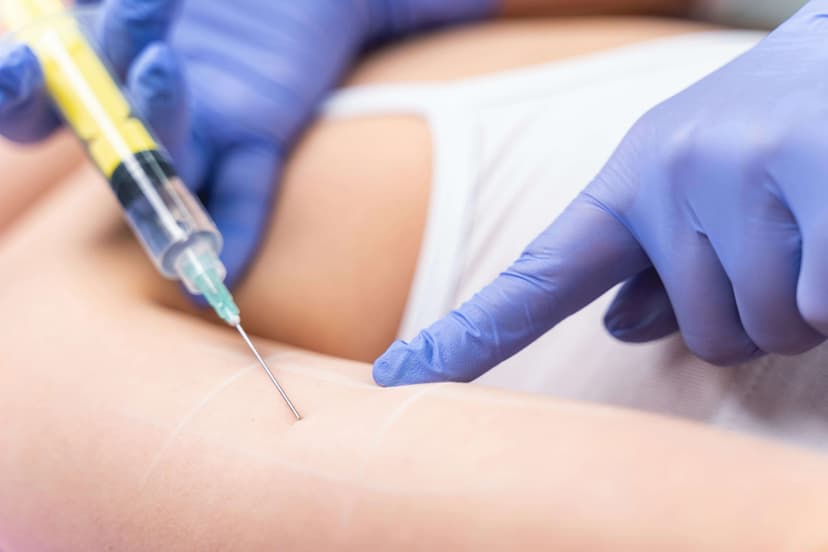
Trigger Point Injections
Trigger point injections (TPIs) are a medical procedure used to treat painful areas of muscle that contain trigger points, or knots of muscle that form when muscles do not relax.
These points can irritate the surrounding nerves and cause referred pain in other areas of the body.
Trigger point injections are often used to alleviate myofascial pain syndrome, tension headaches, and fibromyalgia.
How the Procedure Works
- Identification of Trigger Point: The doctor first identifies the trigger point by palpating the muscle for tender spots that reproduce pain.
- Injection: A small needle is then inserted into the trigger point, and a solution is injected. An anesthetic helps to numb the area, and the injectate helps reduce inflammation.
- Breaking the Pain Cycle: The injection helps to disrupt the cycle of muscle spasm and pain. It may also help to improve blood flow to the area and facilitate muscle relaxation.
- Post-Injection: Some people may experience immediate relief, while others may require a few days to notice improvement. Physical therapy and stretching may be recommended following TPIs to prevent the recurrence of trigger points.
Neural Therapy
Neural therapy is a medical treatment used primarily to help alleviate chronic pain and dysfunction. The autonomic nervous system, which controls many unconscious bodily functions, can be disrupted by injury, surgery, scars, or illness, leading to "interference fields." These interference fields can cause dysfunction or pain in distant parts of the body.
Neural therapy aims to "reset" these interference fields by injecting certain trigger points, scars, or nerves with the goal of restoring normal function to the autonomic nervous system and reducing symptoms.

Platelet-Rich Plasma (PRP)
PRP is created by concentrating the platelets from a small sample of your blood. Platelets contain growth factors that help stimulate tissue repair, collagen production, and healing. The concentrated PRP is injected directly into the injured area to support your body's natural recovery.
PRP may help:
- Reduce pain and inflammation
- Promote tissue healing and regeneration
- Support collagen production
- Improve tendon, ligament, and muscle recovery
- Improve joint function with minimal downtime
Clinical studies suggest PRP can provide meaningful improvements in pain and function for months to years.
Common PRP Uses
- Tennis elbow
- Rotator cuff injuries
- Achilles and patellar tendinopathy
- Ligament sprains
- Muscle strains
- Mild to moderate osteoarthritis
- Chronic soft tissue injuries
nSTRIDE® APS
nSTRIDE® APS is an advanced orthobiologic treatment developed specifically for osteoarthritis.
A sample of your blood is processed to create a concentrated solution rich in anti-inflammatory cytokines and regenerative growth factors. This solution is injected into the affected joint to help regulate inflammation while supporting cartilage and joint health.
Potential Benefits
- Reduced joint pain and inflammation
- Modulation of inflammatory pathways
- Support for cartilage and joint tissues
- Improved mobility and function
- Minimally invasive with little downtime
Clinical studies have demonstrated significant improvements in pain and function lasting up to two years following a single injection. nSTRIDE® is most commonly used for knee osteoarthritis.
PRP vs nSTRIDE® APS
PRP
- Best for tendons, ligaments, muscles, and soft tissue injuries
- Concentrated platelets and growth factors
- Stimulates tissue repair and regeneration
nSTRIDE® APS
- Designed specifically for osteoarthritis of the knee
- Concentrated anti-inflammatory proteins and growth factors
- Reduces inflammation while supporting joint health
Our providers will recommend the treatment best suited to your condition. For full details on regenerative injection therapy, including candidacy, treatment schedules, and frequently asked questions, see our PRP & nSTRIDE® APS Therapy page.
Frequently Asked Questions
Book a Pain Management Appointment
Comprehensive, integrative pain management solutions at VP Health in Lethbridge, AB. Achieve lasting pain relief with personalized holistic treatment.
Book NowComplementary Therapies


Our Services at a Glance









Book an Appointment at VP Health in Lethbridge
Make an appointment today
Book Now