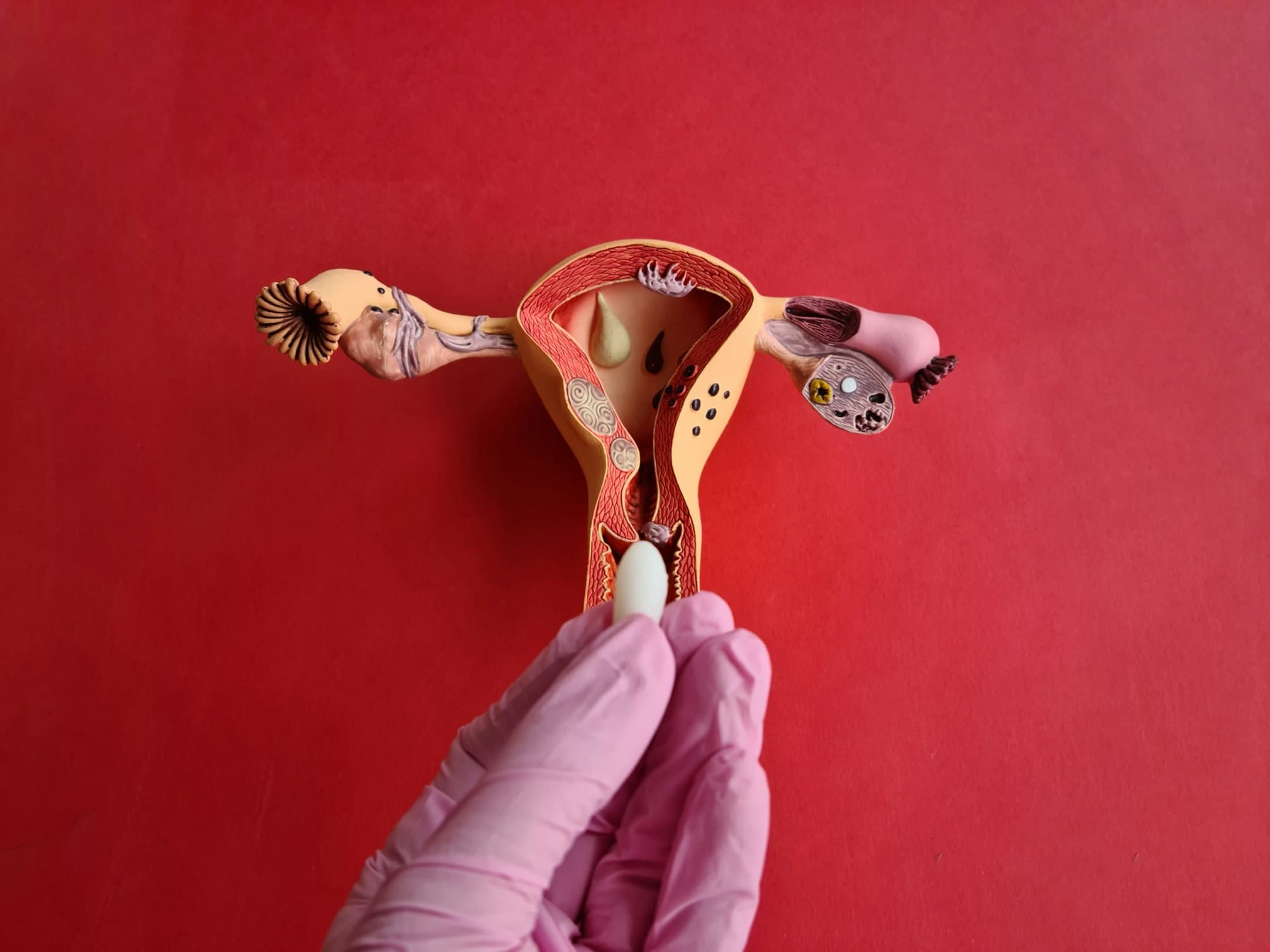
Endometriosis is a common cause of painful periods, but many women spend years being told that their pain is “normal.” In Canada, it takes an average of 7 years to be diagnosed with endo, leaving women dealing with immense pain and no hope. Endometriosis is a chronic inflammatory condition where endometrial-like tissue grows outside of the uterus, contributing to inflammation, scarring, adhesions and significant pain.
Common symptoms include:
- Severe menstrual cramps
- Pelvic or abdominal pain
- Lower back or hip pain
- Pain with intercourse
- Pain with bowel movements, particularly during your period
- Pain with urination
- Heavy or prolonged periods
- Bloating or digestive upset
- Constipation or diarrhea
- Fatigue
- Difficulty becoming pregnant
- Pain that gets progressively worse over time
Symptoms can overlap with IBS, SIBO, pelvic floor dysfunction, adenomyosis, fibroids and other hormonal conditions so it's important to talk to a professional who is familiar with endometriosis.
Laparoscopy is considered the gold standard for diagnosis of endometriosis. New guidelines recognize that a clinical diagnosis can be made based on symptoms, examination and imaging. Ultrasound and MRI can be helpful, but a normal ultrasound does not rule out endometriosis.
Let’s go through some of the ways endo is treated, and how I might adapt them.
1. Anti-Inflammatory Pain Relief
Non-steroidal anti-inflammatory drugs (NSAIDs), such as ibuprofen or naproxen, are commonly used to manage endometriosis-associated pain. While they do decrease pain, they are not treating the underlying endometriosis itself, and long-term use may cause ulcers and other GI issues. NSAIDs will also worsen cardiovascular health.
My take: Consider natural anti-inflammatories.
I recommend women start with the lifestyle before jumping straight to long term NSAID use. Some options include:
- Curcumin, NAC, EGCG, Magnesium Bisglycinate
- Anti-Inflammatory Diet: Plenty of colourful vegetables and fruit, high protein, high fibre (nuts, seeds, beans, lentils), Omega 3 rich foods (flax, chia), minimal processed foods, low alcohol, low sugar.
- Consistent Sleep Patterns: Women typically need 8-10 hours/night
- Time outside: around 30-60 minutes/day with a minimum of 10 of those minutes in direct sunlight in the morning.
- Stress Management: Yoga, meditation, box-breathing – whatever you find relaxing to decrease your stress.
2. Hormonal Therapy
Birth control is one of the most common conventional treatments for endometriosis. This includes birth control pills, progestin-only medications and hormonal IUDs. These medications work primarily by suppressing or altering hormonal stimulation of endometriosis lesions and can significantly reduce pain for many women.
My take – Testing before Birth Control
Many women are given immense relief through birth control, and I am not against it if that’s your choice! I prefer IUDs as they typically (not always) have the lowest side effect profile and running a hormone panel is still useful while they’re in. BEFORE you do any birth control though, I highly recommend running a complete hormone panel.
This means estrogen, progesterone, LH, FSH, prolactin and total testosterone twice during your cycle. Once on day 3 (third day of bleed) and the second time approximately 7 days after ovulation (usually day 21). If your periods are heavy, we also need to check iron. Pending digestive symptoms, looking into SIBO, Candida, Leaky Gut, etc. may be warranted.
3. Surgery
Surgery is considered when symptoms are severe, when medical treatment isn't working, when there is significant endometriosis affecting organs, or when fertility is a major concern. Laparoscopic surgery can remove endometriosis lesions and adhesions. Surgery can provide significant relief but is not always a permanent cure as endometriosis can recur in some cases.
My take – surgery is an awesome option and offers a ton of relief for many women. If you are not keen on surgery, or on a long waitlist for it, pelvic injections can offer a great deal of relief. These injections are known as Frankenhauser Injections and are done by placing a needle on either side of the abdomen to target the pelvic nerve plexus. An anti-inflammatory solution and ozone will help reduce pain, muscle tension, address adhesions and increase blood flow to the uterus, ovaries and nerves.
4. Fertility Treatment
Endometriosis can affect fertility through inflammation, adhesions, ovarian involvement and changes to pelvic anatomy. If pregnancy is your goal, your treatment plan will look different than someone whose primary goal is pain control. Depending on many factors, treatment may include surgery, ovulation induction, intrauterine insemination or IVF.
My take – Fertility with endo requires an integrative approach. Conventional treatment should be considered alongside treatments such as acupuncture, anti-inflammatory lifestyles, supplementation and optimization of other systems such as thyroid and iron.
5. Pelvic Floor Physiotherapy
Experiencing pelvic pain for months or years can cause the muscles surrounding your pelvis to chronically tighten in an effort to protect themselves. This can contribute to pain with intercourse, pelvic pressure and pain, or hip and low-back pain. Pelvic floor physiotherapy can help assess these issues and teach you how to properly relax, strengthen and coordinate pelvic musculature.
My take – This is a must do for all endometriosis patients! Finding a practitioner who is well trained in pain management and deals with endometriosis patients can make a huge difference in your journey. I recommend Kelsie McGee or Ashley Lowe in Lethbridge, AB.
6. Acupuncture
Acupuncture uses very small needles to stimulate blood flow, lymph drainage and anti-inflammatory action into the area being treated. When dealing with gynaecological issues, many acupuncturists will use points on the hands, ankles, feet and abdomen to achieve desired results.
My take - Acupuncture is a match made in heaven for women’s health. It is a beautiful tool to help with pain management, cycle regulation and bleeding patterns. It can also aid in anxiety relief, fertility, GI upset and more.
7. Exercise
Exercise is another important part of managing chronic pain. You do not need to train for a marathon but simple movement such as walking, biking, strength training, swimming or yoga can help support circulation, mood, cardiovascular health and pain regulation. The goal is consistency rather than perfection. On days when symptoms are severe, a gentle walk may be all you can manage — and that's okay.
My take – Ditto
The most important thing to understand about endometriosis is that there isn't one treatment that works for everyone. You may need a combination of approaches. I firmly believe an integrative approach to be the best one. You don’t just have to live with your pain, and it is NOT normal.